



Diverse Probiotic Microbial Blend
Formulated with over 100 specially adapted proprietary probiotic strains, this advanced microbial blend is precisely balanced and optimized for agricultural applications.
The formulation includes a diverse range of beneficial microorganisms, such as lactic acid bacteria, yeast, and actinomycetes, which work synergistically to support healthy plant development, enhance natural resilience, and promote overall crop vitality.
For Yung × QBER Quantum Light Biotechnology
Innovating Sustainable Solutions for Agriculture and Life
For Yung Co., Ltd. collaborates with QBER Quantum Light Technology, combining decades of manufacturing expertise with innovative technological development. Through the integration of quantum light applications into agriculture, biotechnology, and daily life, we create a new generation of products designed around environmental sustainability, health, and long-term value creation.
We believe that technology is more than innovation — it is a powerful force that can create new possibilities for a healthier environment and a better way of living.
Dual Action: Natural Pathogen Suppression & Enhanced Plant Growth
Through the activity of beneficial microorganisms, the formulation helps maintain a balanced microbial environment, naturally suppressing harmful pathogens while promoting root development, leaf vitality, and overall plant health.
Safe, Non-Toxic & Suitable for Organic Agriculture
Natural and Safe Formula:
Made with all-natural ingredients and subject to strict quality testing, the formulation is safe, environmentally friendly, and designed for sustainable agricultural applications.
High Compatibility:
Developed to meet the requirements of organic farming and high food safety standards, providing a natural solution to reduce reliance on chemical fertilizers and pesticides while supporting sustainable agricultural development.
Proven Safety in Applications:
The formulation can be safely incorporated into biological agricultural products. Its excellent safety profile and non-toxic characteristics have been demonstrated through practical applications and field use.
Advanced Fermentation Technology & Plant Health Benefits
Advanced Fermentation Process:
Through a specialized fermentation process, selected beneficial microorganisms break down and transform organic materials, generating highly active enzymes and natural antimicrobial compounds.
Enzyme Functions:
- Catalyzes various biochemical processes to enhance nutrient absorption and metabolic activity within plants.
- Supports plant health by strengthening natural defense mechanisms, improving disease resistance, and increasing adaptability to environmental stresses.
Antibacterial Components:
Natural antimicrobial substances help inhibit the growth of harmful pathogens, creating a healthier growing environment and protecting plants from disease threats.
Multi-Functional Microbial Technology for Sustainable Agriculture
Synergistic Multi-Microbial Fermentation:
Through the synergistic activity of diverse beneficial microorganisms, the formulation adapts to various agricultural environments, helps suppress harmful microbes, and provides multifunctional benefits for both plants and soil.
Soil Improvement:
- Rich in organic compounds, it promotes the growth of beneficial microorganisms, enhancing soil activity, fertility, and overall soil vitality.
- Establishes a beneficial microbial community around plant roots, helping suppress harmful pathogens, reduce disease occurrence, and minimize the need for chemical pesticides.
- Supports cost-effective farming by reducing dependence on chemical fertilizers and pesticides while improving soil quality and long-term agricultural value.
Driving Sustainable Agriculture Through Microbial Innovation
Through the integration of beneficial microorganisms, bioactive enzymes, and natural nutrients, Enzyme-Based Antibacterial Nutrient helps create a healthier ecosystem for plants and soil — enabling stronger crop growth, improved soil productivity, and a more sustainable future for agriculture.

Field Trial: Enhanced Chili Pepper Growth Performance
Objective:
To evaluate the growth performance of chili peppers treated with Enzyme-Based Antibacterial Nutrient compared with conventional cultivation methods.
Trial Site:
Experimental Field of the National Crop Breeding Center, Anding Town, Taonan City, Baicheng City, Jilin Province, China
Trial Duration:
June 4–22, 2024 (18-day observation period)
Day 18
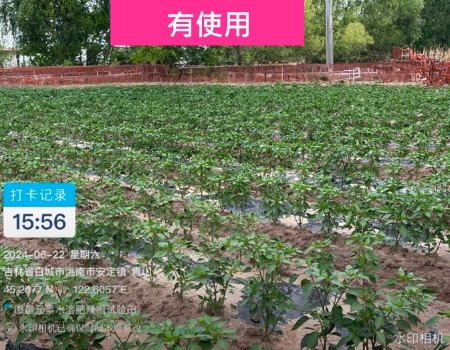
Day 18: Vigorous Growth of Chili Pepper Plants Treated with Enzyme-Based Antibacterial Nutrient
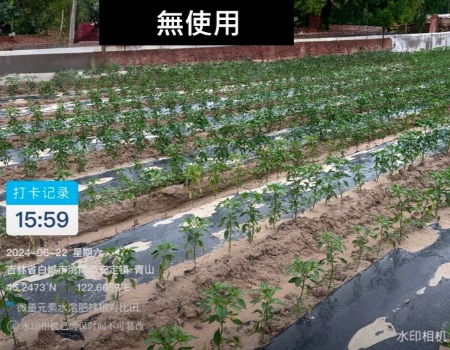
Day 18: Vigorous Growth of Chili Pepper Plants Treated with Enzyme-Based Antibacterial Nutrient
分支明显,繁茂
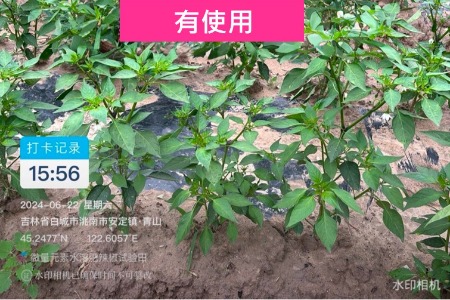
Day 18: Vigorous Growth of Chili Pepper Plants Treated with Enzyme-Based Antibacterial Nutrient
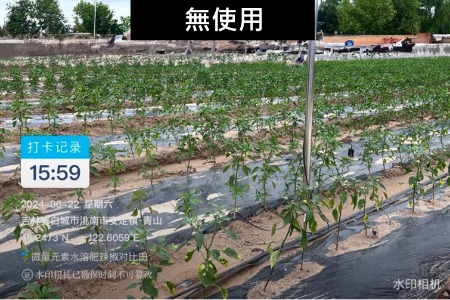
Enzyme-Based Antibacterial Nutrient Treatment Vigorous Growth After 18 Days
Field Trial: Enhanced Chili Pepper Growth Performance
Objective:
To evaluate the growth performance and cultivation results of chili peppers treated with Enzyme-Based Antibacterial Nutrient over a 50-day growth period.
Trial Site:
Experimental Field of the National Crop Breeding Center, Anding Town, Taonan City, Baicheng City, Jilin Province, China
Trial Duration:
June 4 – July 24, 2024 (50-day observation period)
Day 50
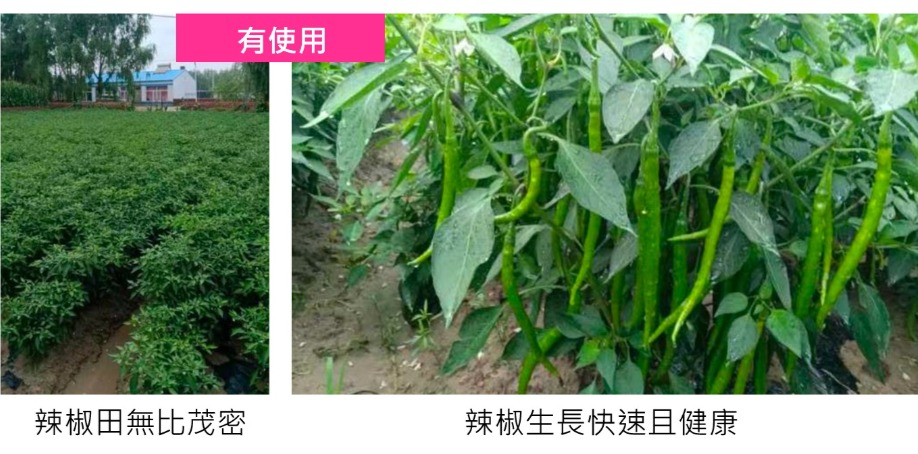

Field Trial: Enhanced Potato Growth Performance
Objective:
To evaluate the growth performance and cultivation results of potatoes treated with Enzyme-Based Antibacterial Nutrient during a 28-day growth trial.
Trial Site:
Experimental Field of the National Crop Breeding Center, Anding Town, Taonan City, Baicheng City, Jilin Province, China
Trial Duration:
May 16 – June 12, 2024 (28-day observation period)
Day 28
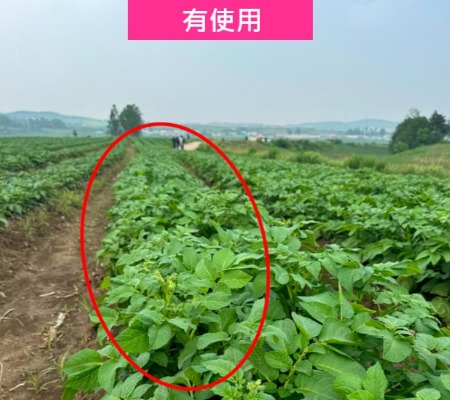
Day 28: Vigorous Growth & Early Flower Bud Formation of Potato Plants Treated with Enzyme-Based Antibacterial Nutrient
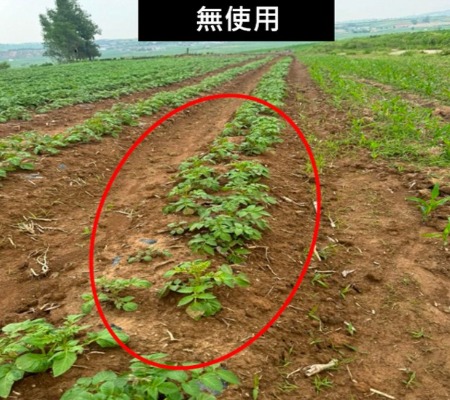
Day 28: Potato Plants Without Nutrient Treatment (Chemical Fertilizers & Pesticides) Showed Weaker Growth.
Field Trial: Enhanced Potato Growth Performance
Objective:
To evaluate the growth performance and cultivation results of potatoes treated with Enzyme-Based Antibacterial Nutrient during a 42-day field trial.
Trial Site:
Experimental Field of the National Crop Breeding Center, Anding Town, Taonan City, Baicheng City, Jilin Province, China
Trial Duration:
May 16 – June 25, 2024 (42-day observation period)
Day 42
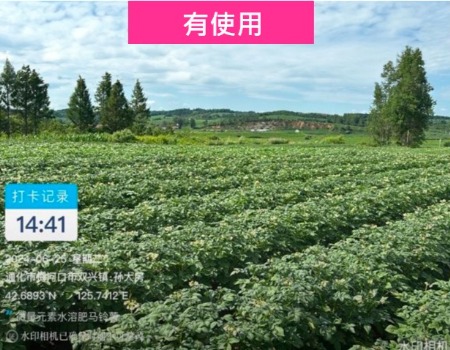
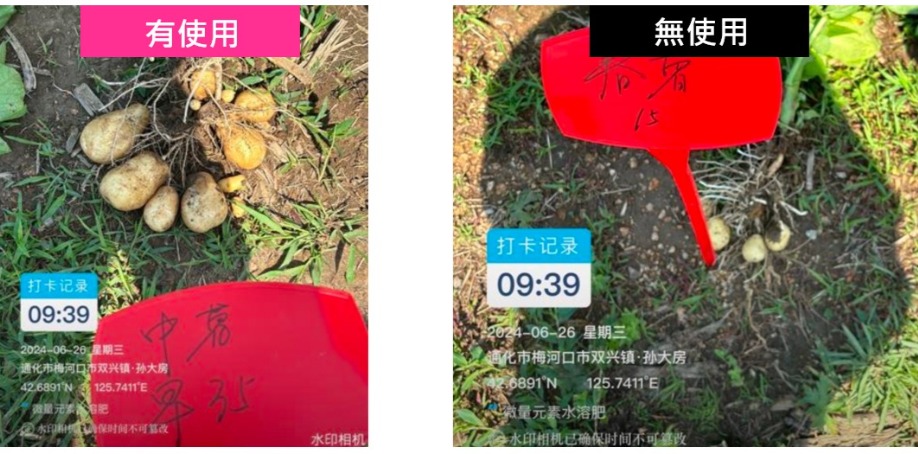
Day 42: Early Flowering & Vigorous Growth of Potato Plants Treated with Enzyme-Based Antibacterial Nutrient
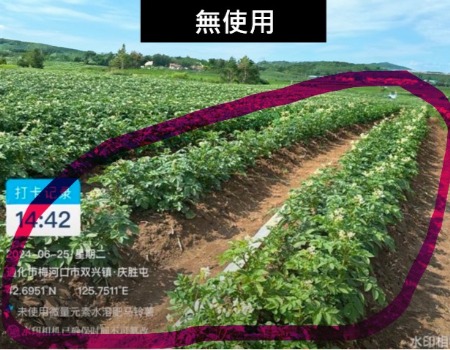
Conventional Chemical Treatment (Fertilizers & Pesticides) Day 42: Slower Growth Performance During Mid-Stage Evaluation
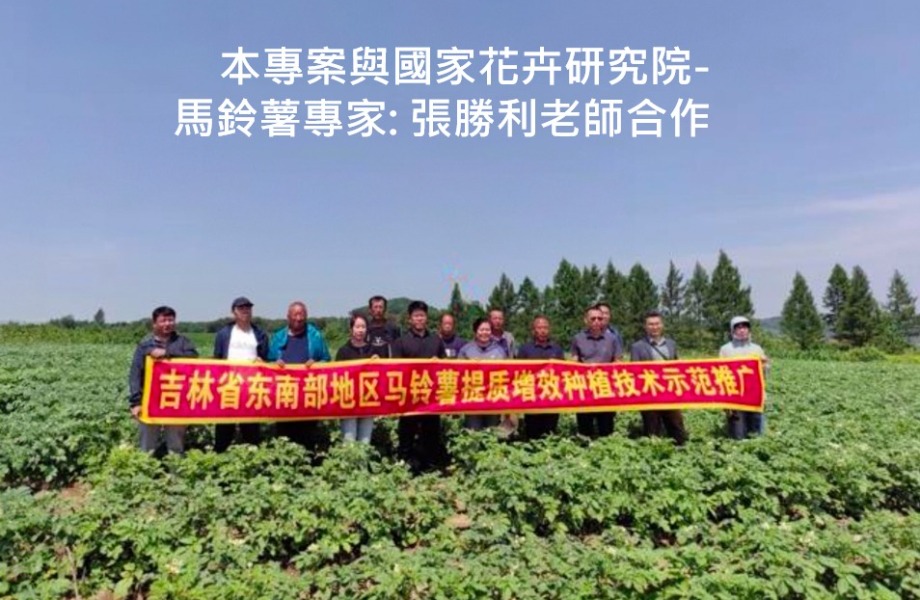

Activating Soil for Sustainable Agriculture
By revitalizing soil ecosystems, promoting plant growth, and supporting the degradation of agricultural chemical residues, this technology helps farmers move toward more sustainable and environmentally responsible cultivation practices.
Easy to apply and cost-effective per acre, it offers a practical solution for improving soil productivity while reducing fertilizer requirements.
Water quality analysis indicates that the formulation can enhance the availability of key plant nutrients, including nitrogen and phosphorus, contributing to more efficient nutrient management and sustainable crop production.

Field Trial: Soil Health Improvement After Potato Cultivation
Objective:
To evaluate changes in soil properties and soil health conditions after applying Enzyme-Based Antibacterial Nutrient during potato cultivation.
Trial Site:
Experimental Field of the National Crop Breeding Center, Anding Town, Taonan City, Baicheng City, Jilin Province, China
Trial Duration:
May 16 – June 25, 2024 (42-day observation period)
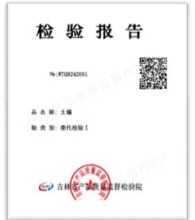
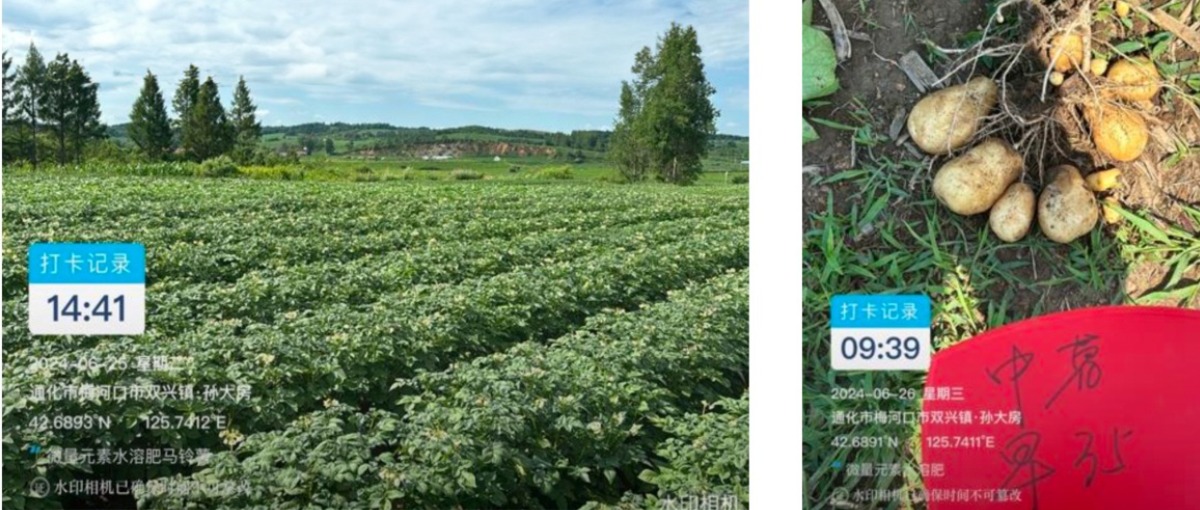
Field Trial: Soil Health Improvement After Potato Cultivation
Objective:
To evaluate changes in soil properties and soil health conditions following the application of Enzyme-Based Antibacterial Nutrient during potato cultivation.
Trial Site:
Experimental Field of the National Crop Breeding Center, Anding Town, Taonan City, Baicheng City, Jilin Province, China
Trial Duration:
May 16 – June 25, 2024 (42-day observation period)
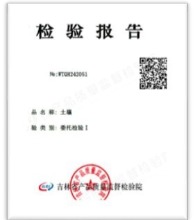
Saline-Alkali Soil Remediation & Restoration
Application Method:
Only 2 kg of Antibacterial Nutrient (SZY-01) is required per mu of land, applied in four separate treatments to gradually activate and restore soil conditions.
Restoration Period:
Approximately 60 days of soil activation and improvement.
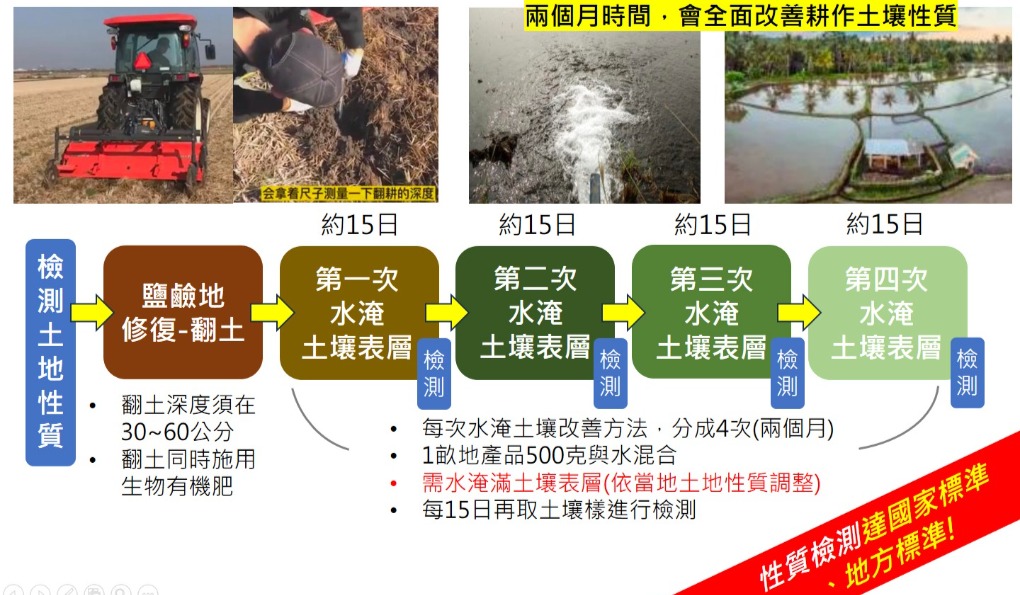
Saline-Alkali Soil Restoration Trial
Objective:
To evaluate the effectiveness of Enzyme-Based Antibacterial Nutrient in improving soil conditions and restoring agricultural productivity.
Trial Site:
Wumu Village, Dongping Town, Zhenlai County, Baicheng City, Jilin Province, China
Experimental Area:
2 hectares
Application Process:
- Applied the formulation by drone spraying after flooding the soil surface to enhance distribution and activation.
- Performed periodic soil testing and evaluation, with planting initiated once soil indicators met cultivation standards.
First Application
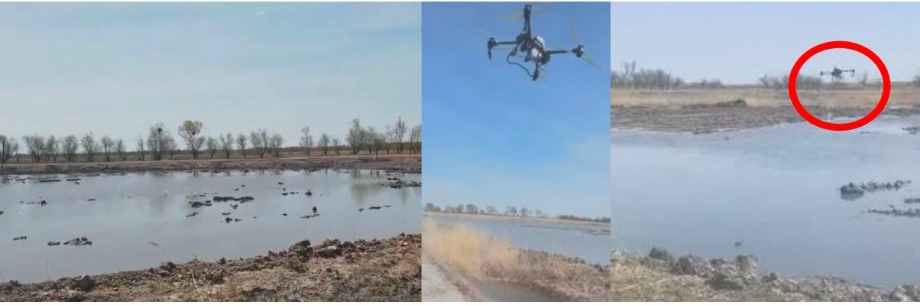
May 30 – Second Treatment

June 17 – Third Treatment
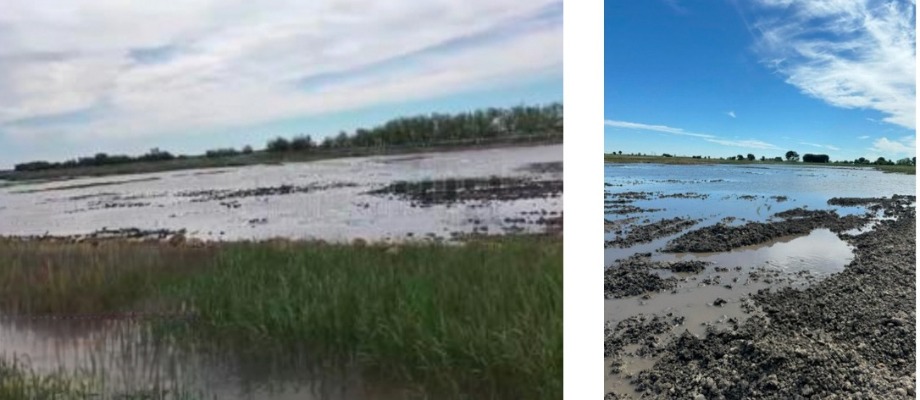
June 17 – Third Treatment Saline-Alkali Soil Treated with Antibacterial Nutrient Showing Dark Brown Soil Color After Application
July 29 – Fourth Treatment
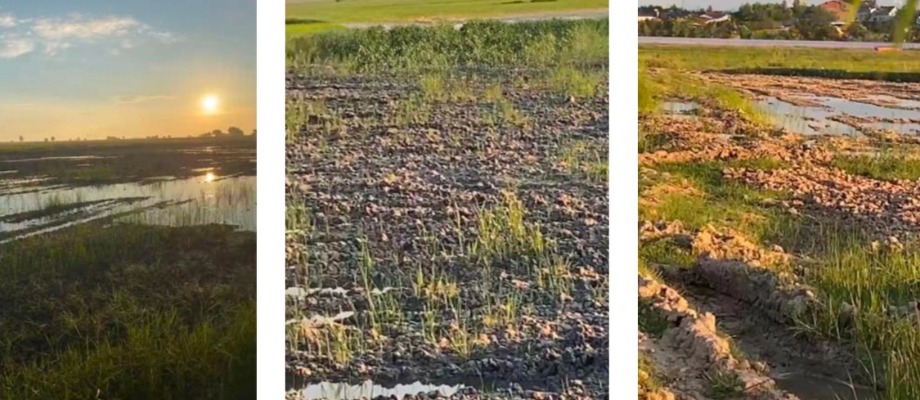
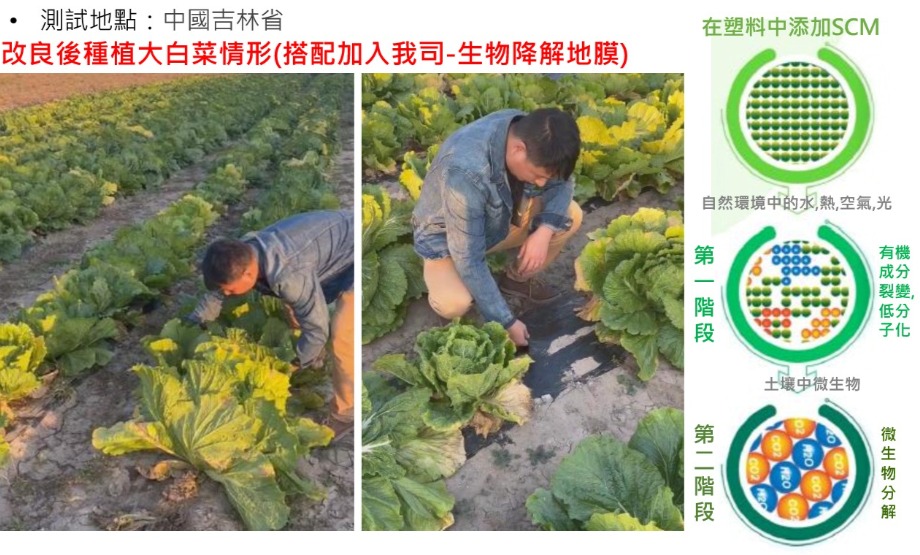
Final Stage of Saline-Alkali Soil Restoration (July 5–29, 2024) Treated Soil Successfully Recovered Green Vegetation After Enzyme-Based Antibacterial Nutrient Application
EC (Electrical Conductivity) – Indicator of Soil and Water Salinity
Electrical Conductivity (EC) is an important indicator used to measure the salt concentration in soil or water. The measurement units are mS/cm or µS/cm.
Significance of EC
1. Salinity Level Assessment
A higher EC value indicates a higher concentration of dissolved salts. Excessive salinity may cause salt stress and negatively affect plant growth.
2. Soil Nutrient Condition
A moderate EC level provides a suitable environment for plants to absorb essential nutrients and supports healthy growth.
3. Water Quality Evaluation
EC measurement helps determine whether irrigation water is suitable for agricultural use.
Reference Standards for EC Values
| EC Value | Interpretation |
|---|---|
| < 0.5 mS/cm | Low salinity; may indicate insufficient nutrient availability |
| 0.5 – 1.5 mS/cm | Optimal range; suitable for plant growth |
| > 2.5 mS/cm | High salinity; potential risk of salt damage |
EC Management Strategies
High EC Level:
Reduce salt accumulation through soil leaching and the use of low-salinity water sources.
Low EC Level:
Apply appropriate fertilization to supplement essential nutrients.
Optimizing Crop Growth Through EC Management
In summary, EC is a key indicator of soil salinity health. Proper monitoring and adjustment of EC levels help optimize the soil environment, improve crop growth conditions, and support sustainable agricultural practices.
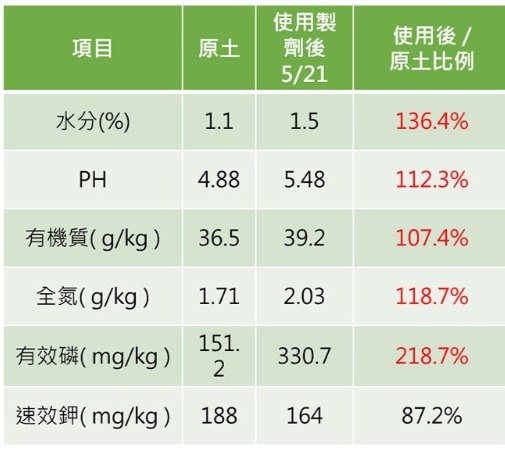
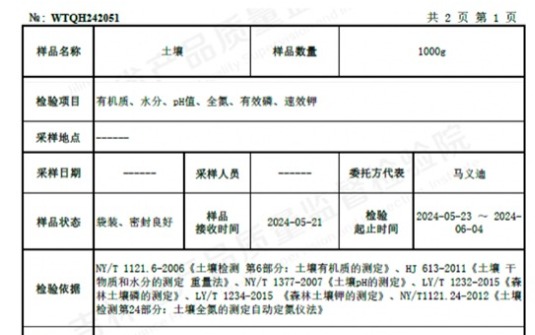
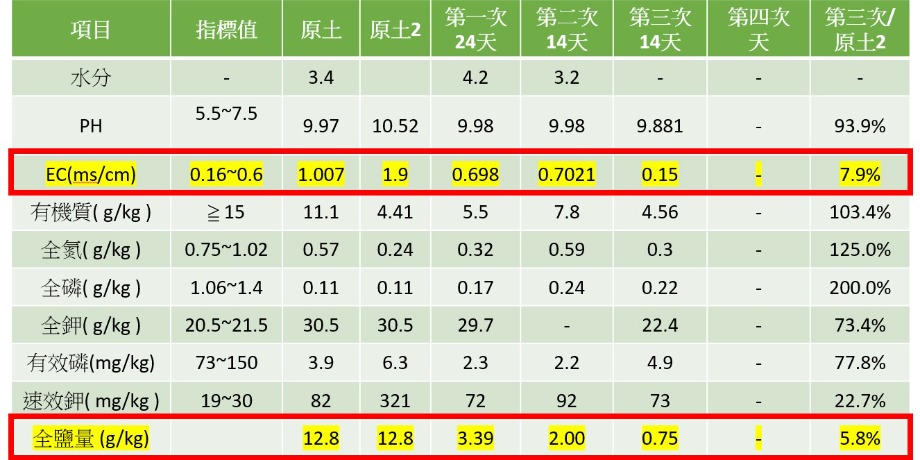
Four-Stage Soil Remediation Completed – Soil Property Evaluation
Following four stages of soil improvement treatments, comprehensive data analysis was conducted to evaluate changes in key soil physical and chemical properties.
Experimental Data:
Comparative analysis of basic soil indicators before and after saline-alkali soil remediation, assessing the suitability of restored soil for agricultural cultivation.
More Agricultural Application Cases
Verified Crop Performance Improvements
Rice – Conventional Farming Management
✓ Approximately 8% yield increase with enhanced grain density.
✓ Lower incidence of rice blast disease.
✓ Reduced greenhouse gas emissions, including methane and nitrous oxide.
Silage Corn – Conventional Farming Management
✓ Approximately 30% increase in total plant biomass yield.
Pineapple – Sustainable Farming Management
✓ Approximately 20% increase in harvest weight.
✓ Improved fruit density, finer texture, and enhanced aroma characteristics.
草莓-萎凋病

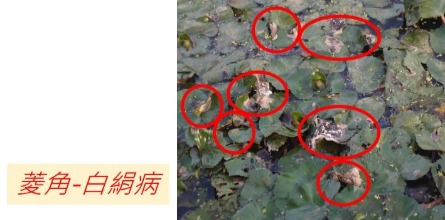
Water Caltrop – Organic Farming Management
✓ Approximately 30% faster growth rate during the seedling stage.
✓ Reduced disease occurrence and inhibited disease transmission.
✓ Approximately 10% increase in harvest weight with enhanced fruit density.
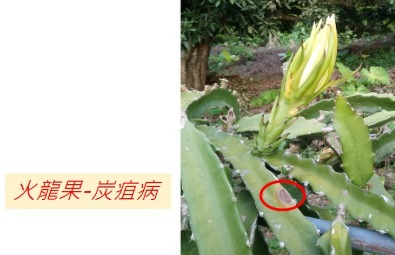
Dragon Fruit – Sustainable Farming Management
✓ Approximately 10% increase in harvest weight with enhanced fruit density.
✓ Improved fiber fineness and enhanced natural aroma.
Pomelo – Conventional Farming Management
✓ Restored the health of orchards previously affected by multiple diseases and unable to produce normal fruit yields.
✓ Gradually improved tree vitality and fruit production performance.
Banyan Tree – Root Rot Treatment
✓ Supported recovery from root rot disease.
✓ Treated trees demonstrated visible revitalization and renewed green growth after application.
榕樹-根腐病

Reforestation & Tree Seedling Growth Enhancement
✓ Achieved over 90% seedling survival rate with growth rates improved by approximately 8 times.
✓ Since 2018, participated in large-scale reforestation projects in cooperation with environmental organizations, including:
- Coastal ecosystem restoration in Taiwan (Taichung Harbor area and Waisanding Sandbar).
- Reforestation of abandoned agricultural land (Wuling Farm).
- Afforestation projects in Inner Mongolia.
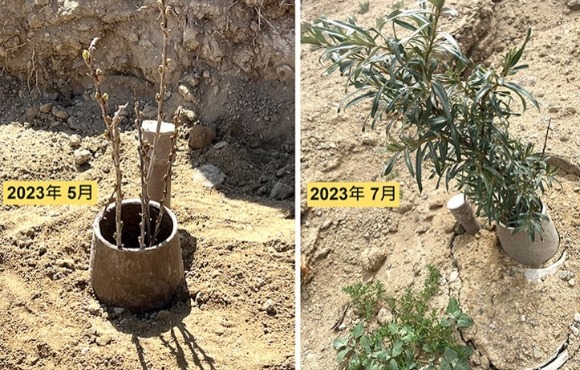
Ecological Restoration – Sea Buckthorn Planting Project in Mongolia
✓ In May 2023, sea buckthorn seedlings were planted in Bayankhongor Province, Mongolia.
✓ After two months, the seedlings demonstrated noticeable growth and helped promote the recovery of surface vegetation, supporting ecosystem restoration in the region.
Key Benefits of Application
✓ Improved Soil Health
Restores soil structure, increases organic matter, and enhances fertility and water-holding capacity for sustainable cultivation.
✓ Enhanced Plant Vitality
Strengthens plant immunity and stress resistance while reducing disease risks.
✓ Reduced Chemical Dependency
Minimizes the use of chemical fertilizers and pesticides, supporting environmentally friendly farming and safer agricultural production.
✓ Higher Crop Quality & Value
Promotes healthier crop development, improves product quality, and increases agricultural market competitiveness.
Advanced Soil Activation Technology for Sustainable Agriculture
At the heart of this technology is soil ecosystem activation, which enhances plant growth, promotes the natural breakdown of agricultural chemical residues, and supports sustainable farming practices.
The saline-alkali soil remediation process is easy to implement and offers a cost-effective solution for large-scale agricultural land improvement.
Based on water quality analysis, the formulation improves the availability of key plant nutrients, including nitrogen, phosphorus, and essential trace elements, enabling more efficient nutrient management while reducing dependence on chemical fertilizers.